
Music plays an important part in today’s modern world and provides the soundtrack to advertisements, films, the internet, and television. Music Technology is the combination of artistic and technological creativity and plays an important role in the development of new sound possibilities. The subject is an excellent option for students who have a solid grounding in and enthusiasm for music of all kinds. The course involves much practical work and opens up a range of exciting and useful tasks to a wide candidature, encouraging students to develop their interests in the subject. The A-level Music Technology course can lead to specialism at a music college or university. It also prepares students to access industry roles, such as working in live venues, radio, television, and theatre. In addition these courses are an excellent foundation for entry into higher education for a variety of subjects.
What will I learn?
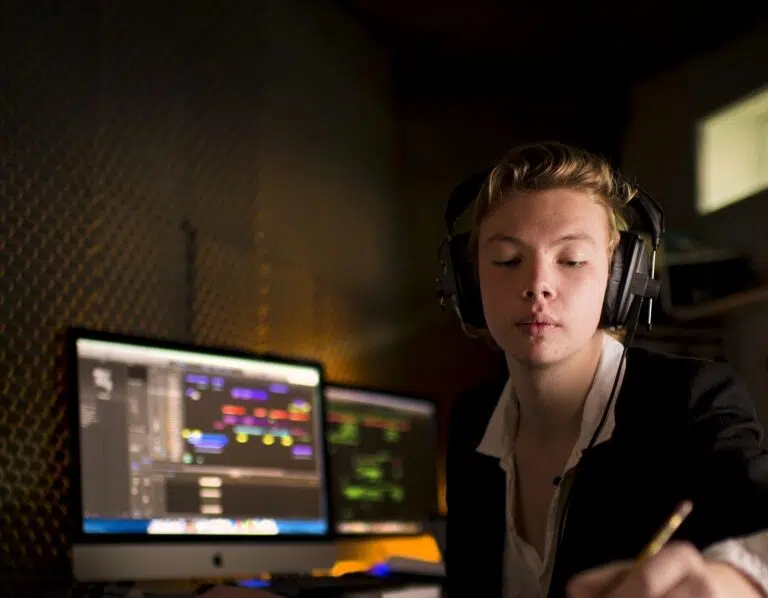
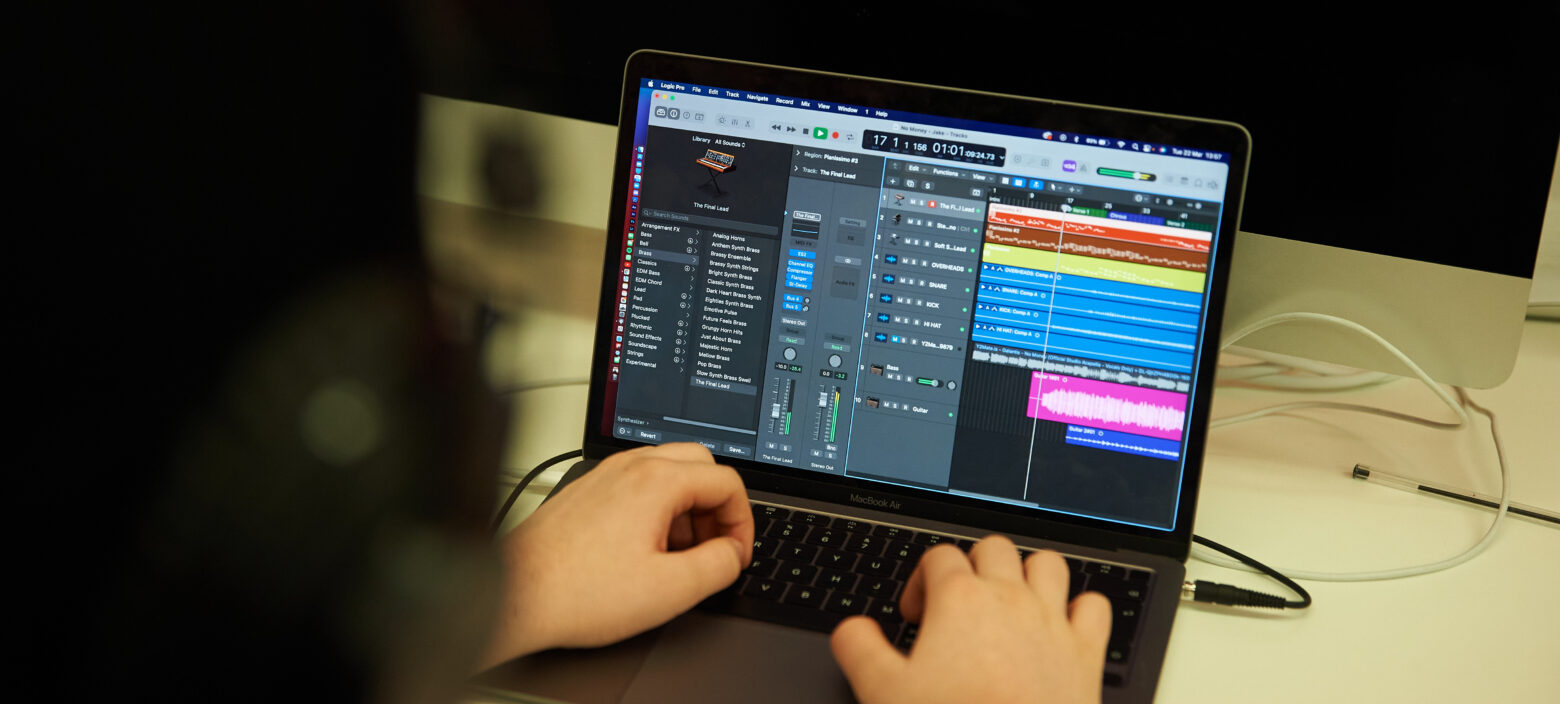
Students are encouraged to explore their musicality and create original materials using technology. For example students have the opportunity to sequence MIDI and audio, record live instruments, and compose using music technology. They will also build an understanding of the technical processes and principles that underpin effective use of music technology, and comment on it in writing. The College has a fully-equipped recording studio running the latest versions of Logic Pro X and Sibelius.
Assessment
| Component 1 |
Recording Non-examined assessment 20% Assessment overview One recording, chosen from a list of 10 songs provided by Pearson, consisting of a minimum of five compulsory instruments and two additional instruments. |
| Component 2 |
Technology-based composition Non-examined assessment 20% Assessment overview
|
| Component 3 |
Listening and analysing Written examination: 1 hour 30 minutes 25% Assessment overview
|
| Unit 4 |
Producing and analysing Written/practical examination: 2 hours 15 minutes (plus 10 minutes setting–up time) 35% Assessment overview
|
Past students of Music Technology have gone on to follow degree courses such as Music, Music Production, Popular Music and Music Performance at leading universities such as The Royal Northern College of Music, Goldsmiths, The Academy of Contemporary Music, Middlesex University, Southampton Solent University, BIMM, ICMP, SAE Institute.
Students may have studied GCSE Music (but this is not a pre-requisite) with instrumental skills being highly desirable.
Examination board: Edexcel/Pearson